ATELIER VAN LIESHOUT
BIPOLAR
Opening: November 3, 2026, 7 pm
Duration: November 4 – December 23, 2026
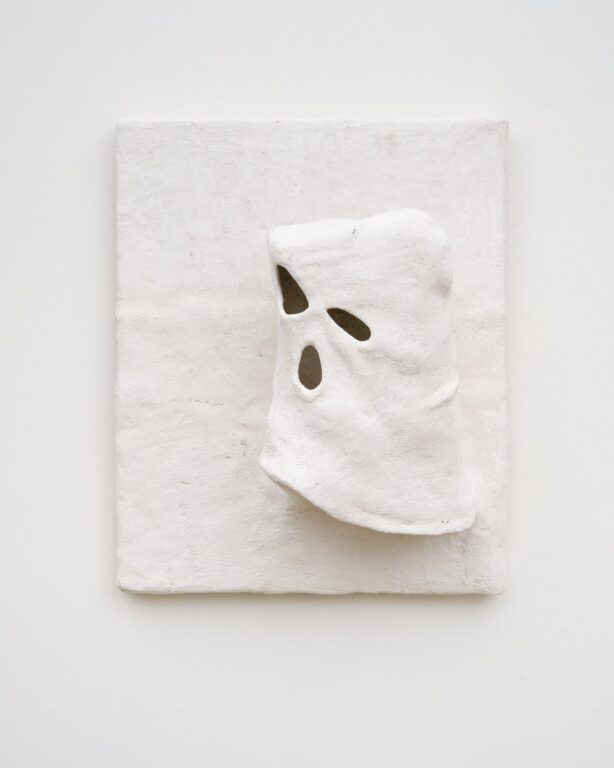
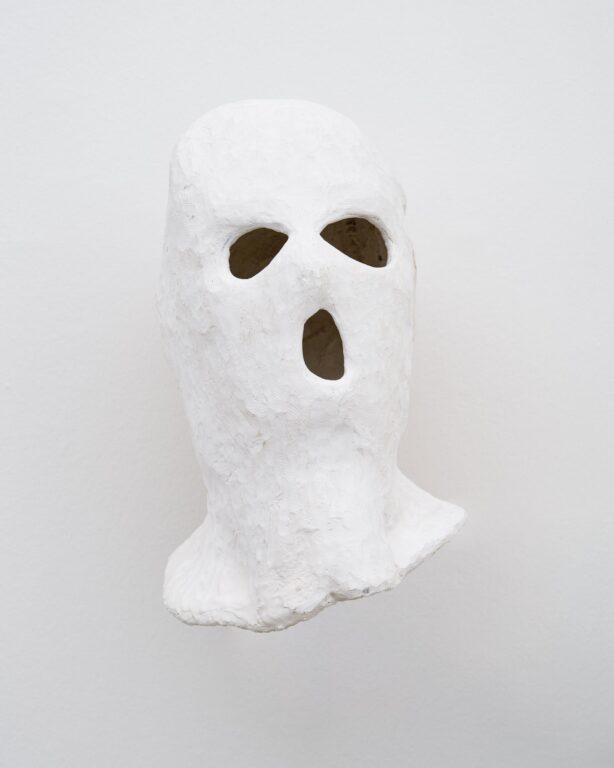
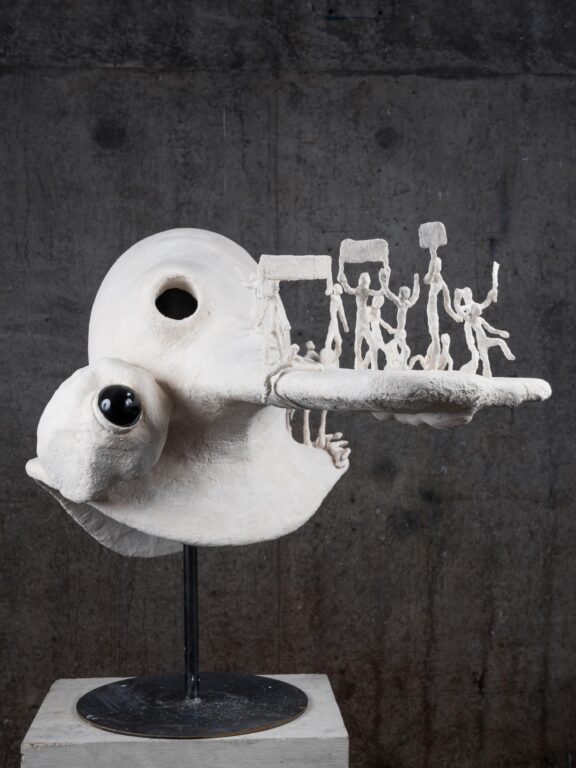
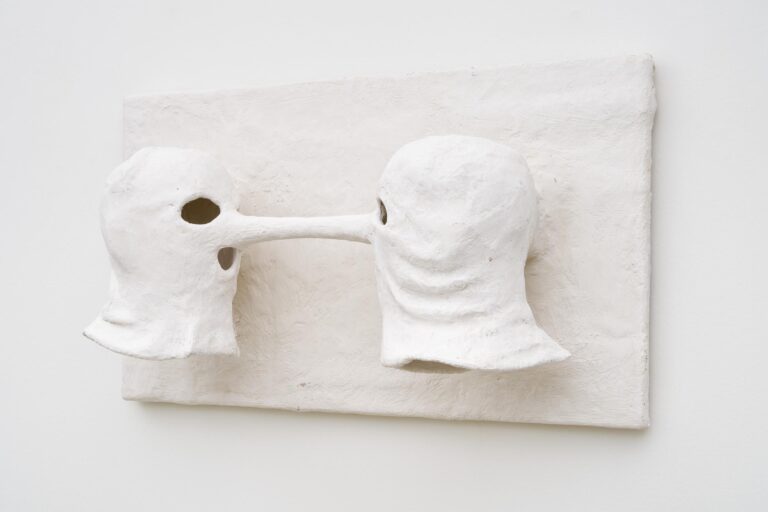
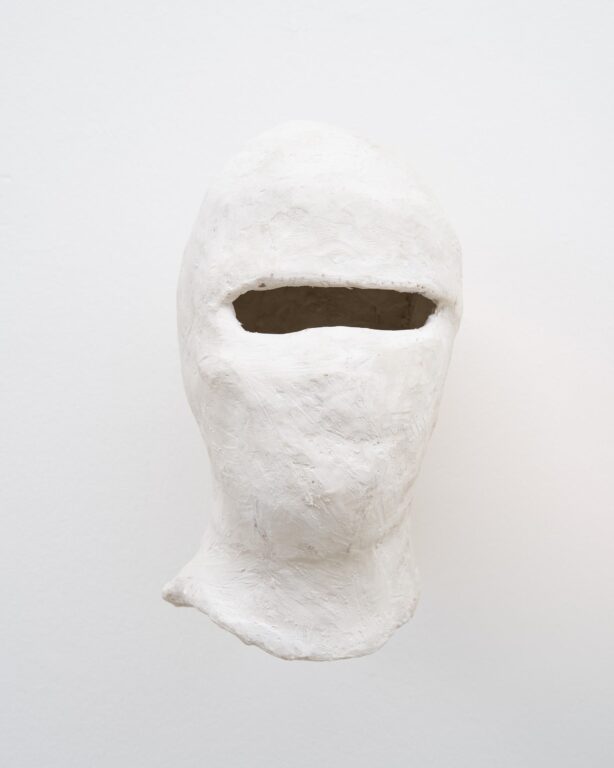
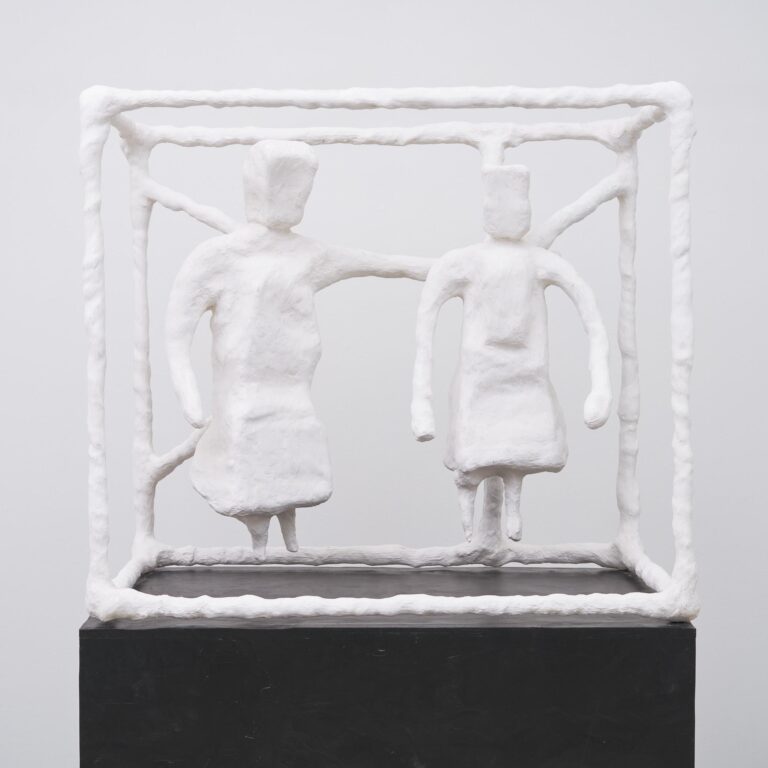
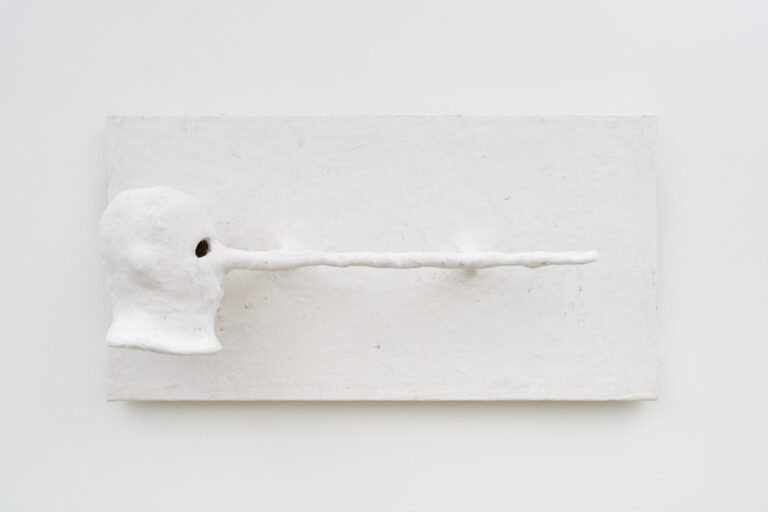
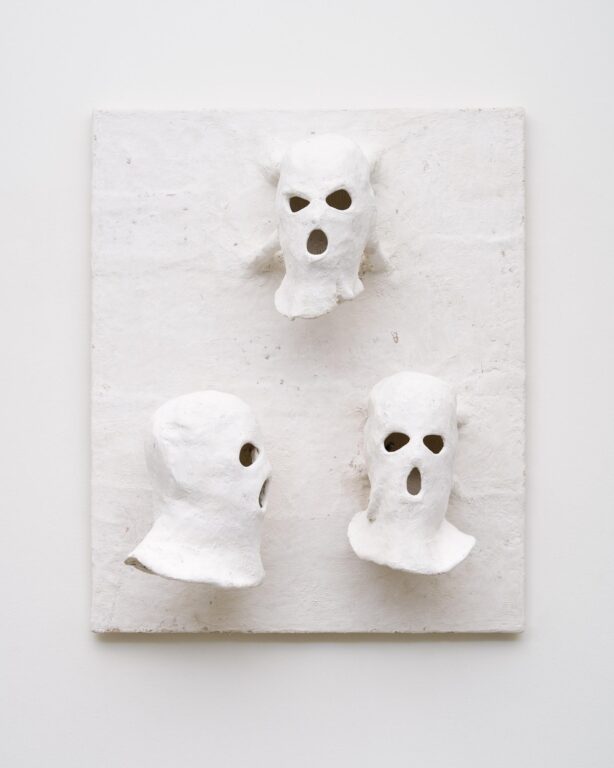
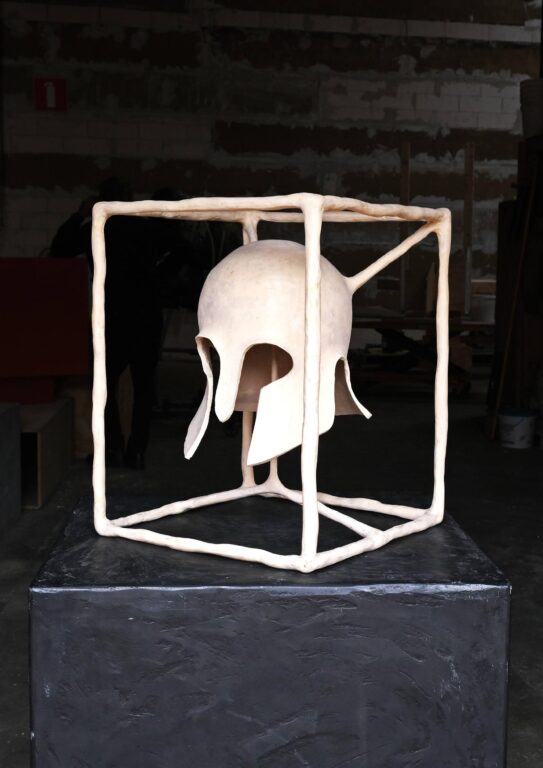
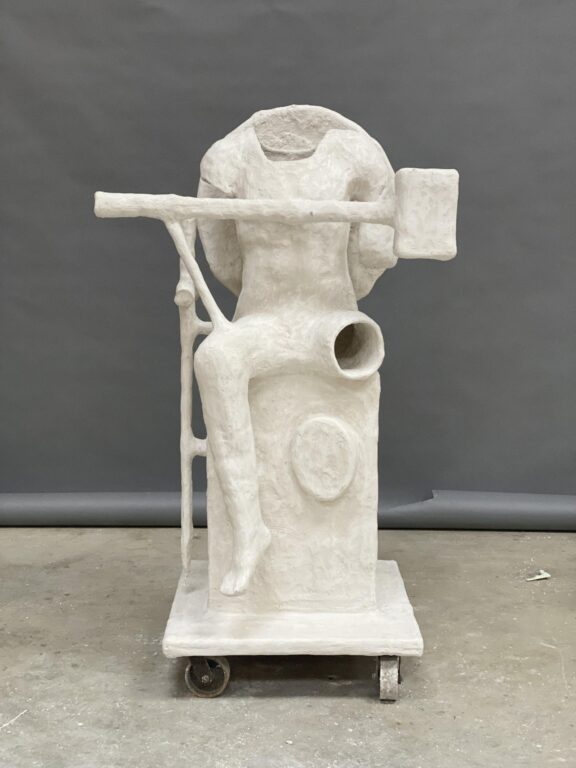
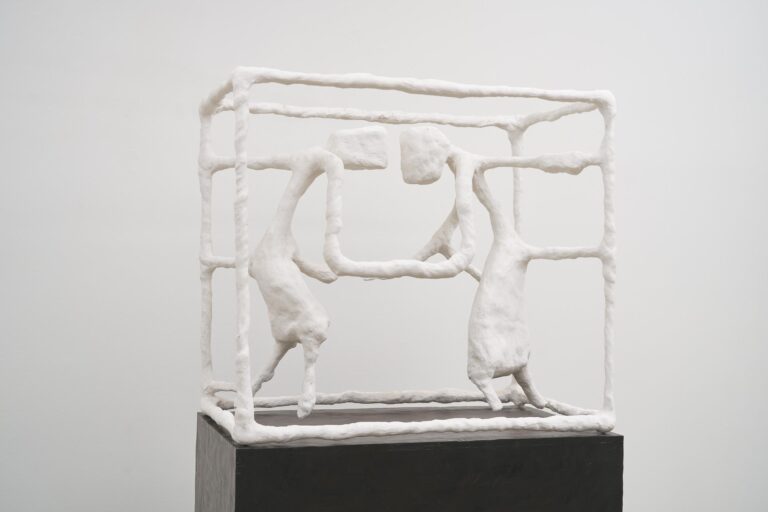
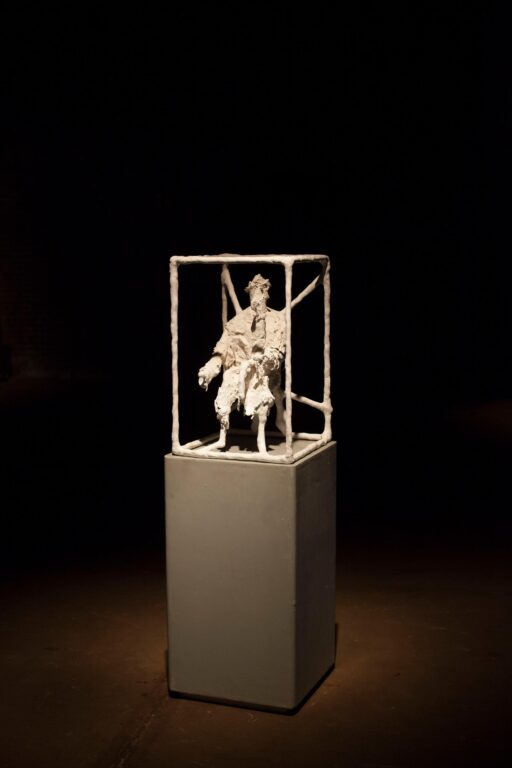
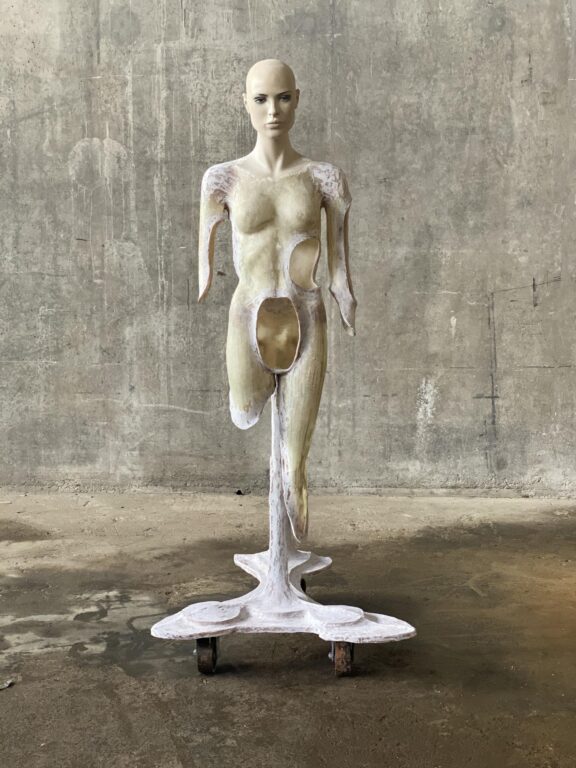
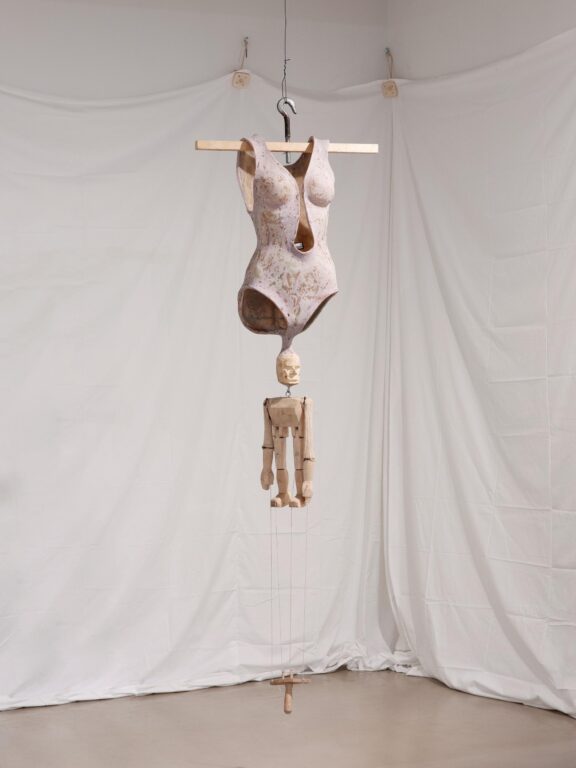
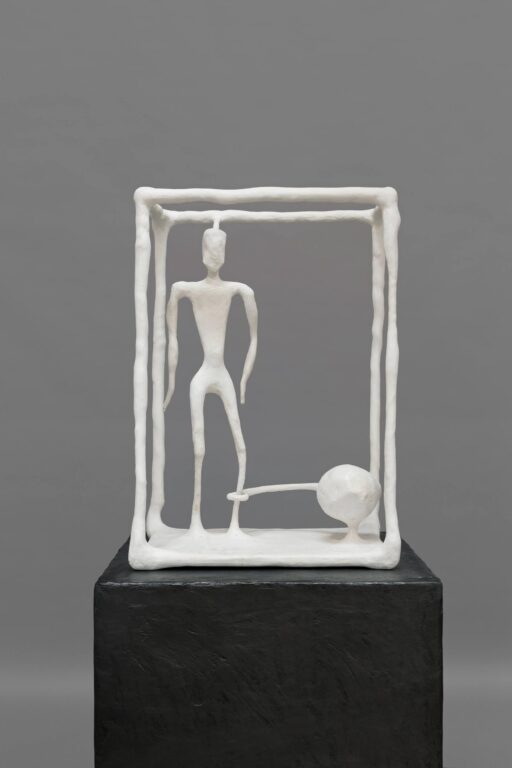
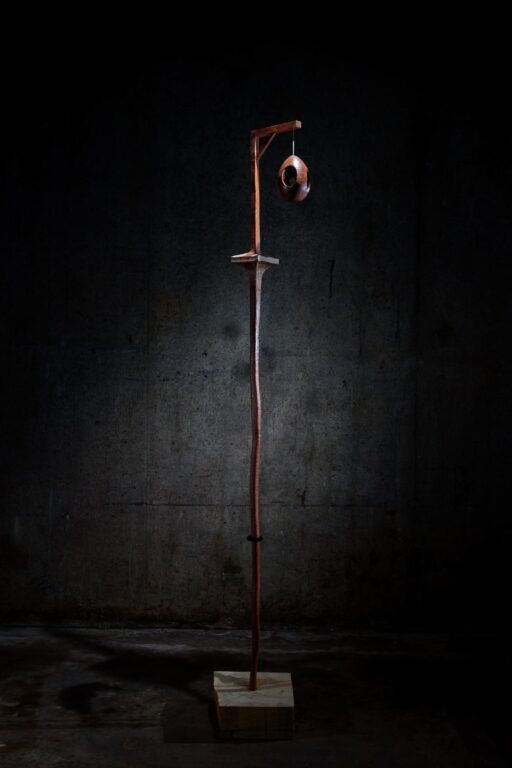
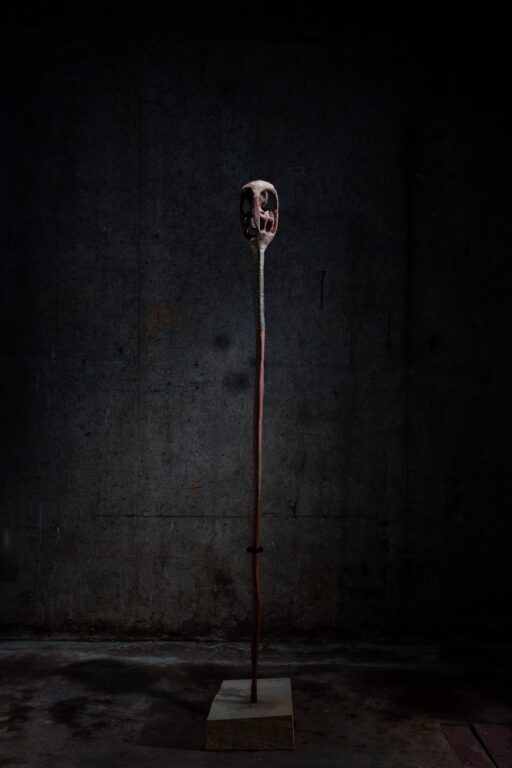
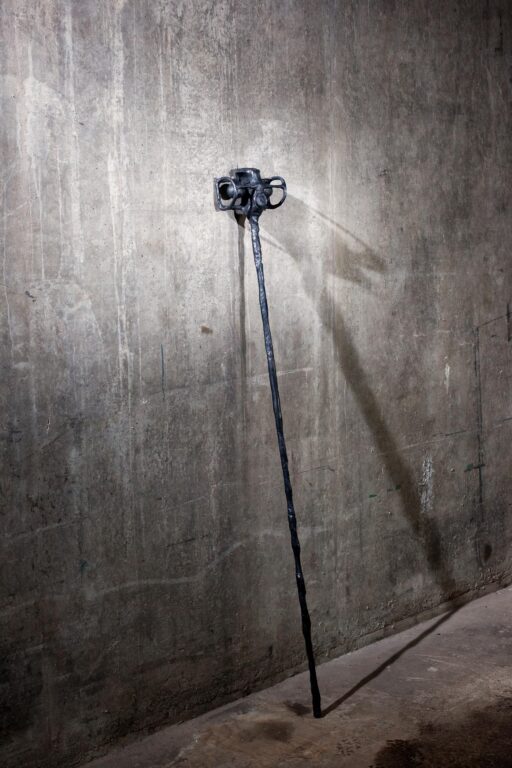
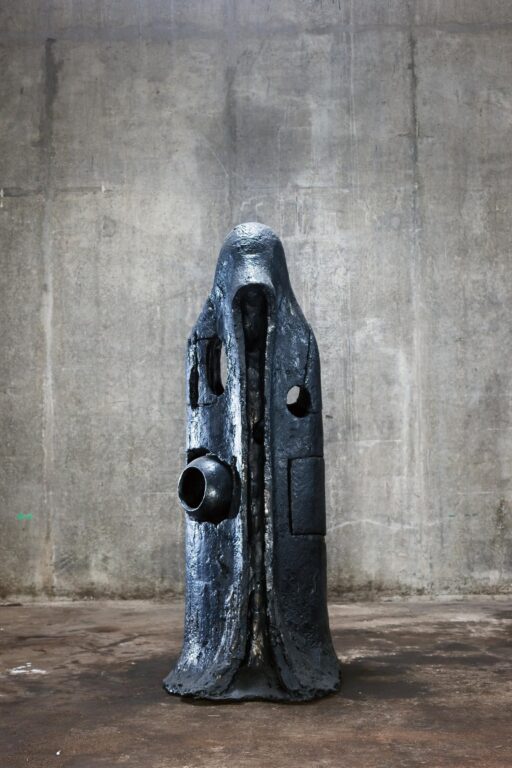
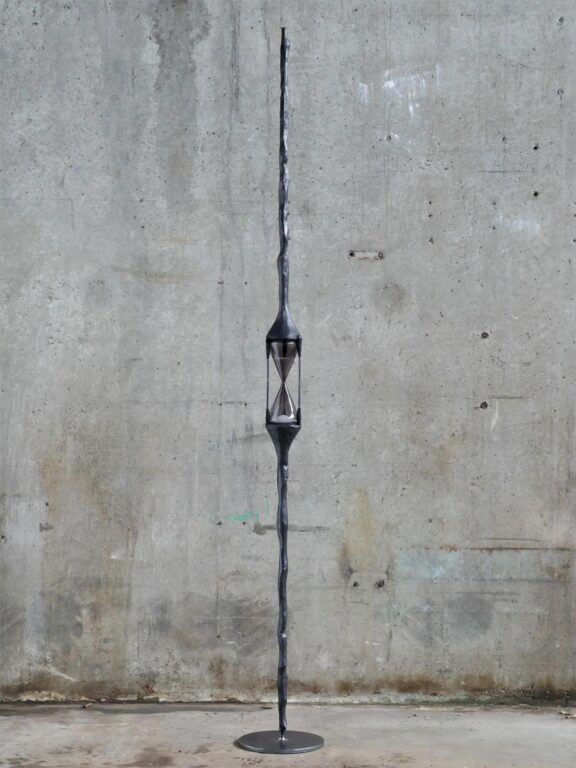
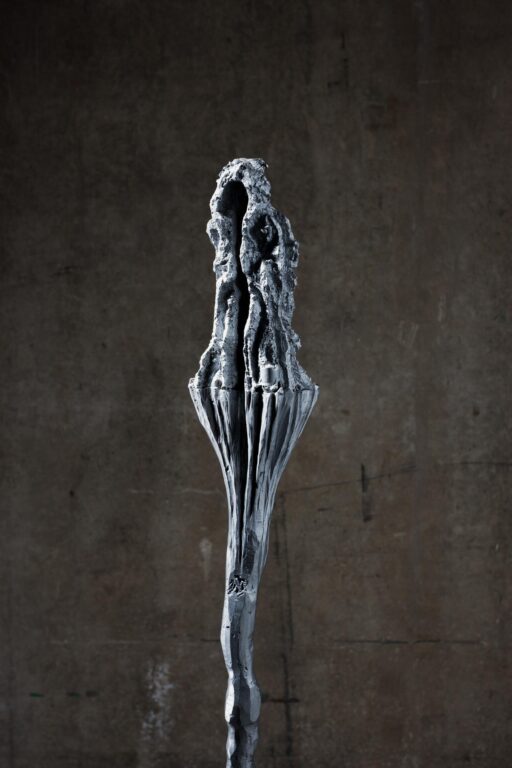
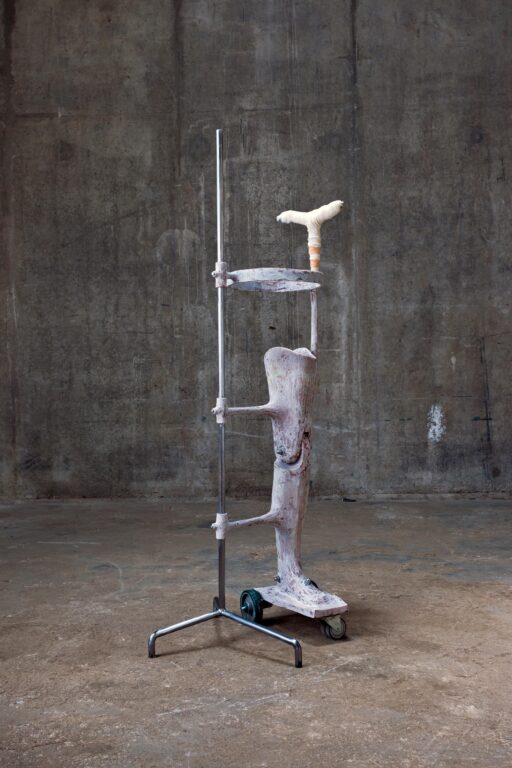
There is only one certainty in life, and that is death. In the years before reaching that final finish line, we navigate peaks and valleys, tossed back and forth between emotions, states of mind, and beliefs that are often diametrically opposed. Especially in an era where truths are increasingly precarious and the forces pulling at us grow ever stronger, we trade one extreme for another with increasing ease. Individually and collectively, we have arrived at a state of bipolar confusion. This ambiguity is woven deeply into the DNA of Atelier Van Lieshout (AVL). The sculptures and installations are two-faced, carrying conflicting meanings. They epitomize progress and optimism, projecting a utopian vision of the future; on the other hand, they can just as easily be read as dystopian and even destructive. With the current exhibition Bipolar, AVL has its finger firmly on the pulse of a society polarizing at breakneck speed. Visitors to Bipolar are welcomed by Death. Like a modest doorman, he ushers us into the realm of life— a life into which we were thrust as the result of “a little death” (la petite mort), and which we will eventually depart hand in hand with the Grim Reaper. Between those two moments, we are like Daniëlle: a jumping jack puppet in the hands of fate, yet clinging to the illusion of autonomy. From the entrance area, visitors can go in two directions. One path leads to a hall filled with raw, earthy, and expressive works. Here, walking sticks for leaders and visionaries are on display: symbols of authority and idealism that can abruptly tip over into brutal violence. Sculptures of crushed consumer goods form the fossils of late capitalism. On an operating table, the Nordic Warrior endures his suffering without anesthesia—though a primitive anesthetic machine is present. The human body here is a construct to be disciplined, modified, rebuilt, and upgraded. Everything is sacrificed on the altar of growth for the sake of growth, until we suffocate in material excess and waste. The space on the other side is filled with white works. The figurative sculptures depict gods and goddesses, warriors and heroes. They evoke heroism and “the good fight” for the higher cause— whatever that may be. Plaster is the dominant material here: fragile, porous, and stripped of industrial noise, yet possessing a distinctly monumental quality. It carries sacred connotations, recalling the heroes of Classical Greece who were promised eternal life in the Elysian Fields—all they had to do was die.