ABOUT
KRINZINGER PROJEKTE is pleased to be able to present for the first time recent work by Sakshi Gupta, Zakkir Hussain, Srinivasa Prasad, Navin Thomas and Avinash Veeraraghaven in a show to take place in Vienna from October 29, 2008 to January 10, 2009. The exhibition will provide an impression of the art scene in Bangalore and at the same time it will kick off the India series put together by Krinzinger Projekte. Next year the series will be continued with shows focusing on art from Mumbai and New Dehli. The exhibitions taking place at Krinzinger Projekte’s location at Schottenfeldgasse 45, 1070 Vienna, will be open to the public.
The India series is based on investigations conducted by Dr. Ursula Krinzinger. From Sri Lanka (where a Krinzinger Residency Program has been established in the meantime) she continued on to Bangalore, then traveling to Mumbai and New Dehli, where she met with artists and art dealers. Following here return, the exhibition “Leaving Home” featuring work by the Indian artist Sudarshan Shetty took place at Galerie Krinzinger from September 19 to November 8, 2008. This show is now being followed by an exhibition focusing on the art scene in Bangalore. Works by artists Sakshi Gupta, Zakkir Hussain, Srinvassa Prasad, Navin Thomas and Avinash Veeraraghavan will be shown. Some the art on show was also created in Vienna.
Sakshi Gupta (born in New Dehli 1979) addresses the idea of constant renewal – be it on the level of the corporeal process of a skinning or on a metaphysical one, with many small deaths and rebirths, that a person experiences in the course of a life time. Gupta sees the process of simultaneous death and rebirth as very inspiring and uses it many times in her recent work. She expresses her ideas regarding renewal on the basis of waste, discarded machinery and industrial waste as follows: “There is something empowering about being able to find potential in what has been labeled as waste and transform it, give in another kind of existence”, referring to her artistic approach. One of the pieces shown in the exhibition, for example, uses the shell of a defunct copying machine. Even though the machine continues to move in part, it no longer has any function, only alluding to its early functionality. Gupta shrouds it in a new aesthetics of non-functionality, introducing a reference to the individual whose essence is symbolized by the uselessness, renewal and development of the objects created by the artist.
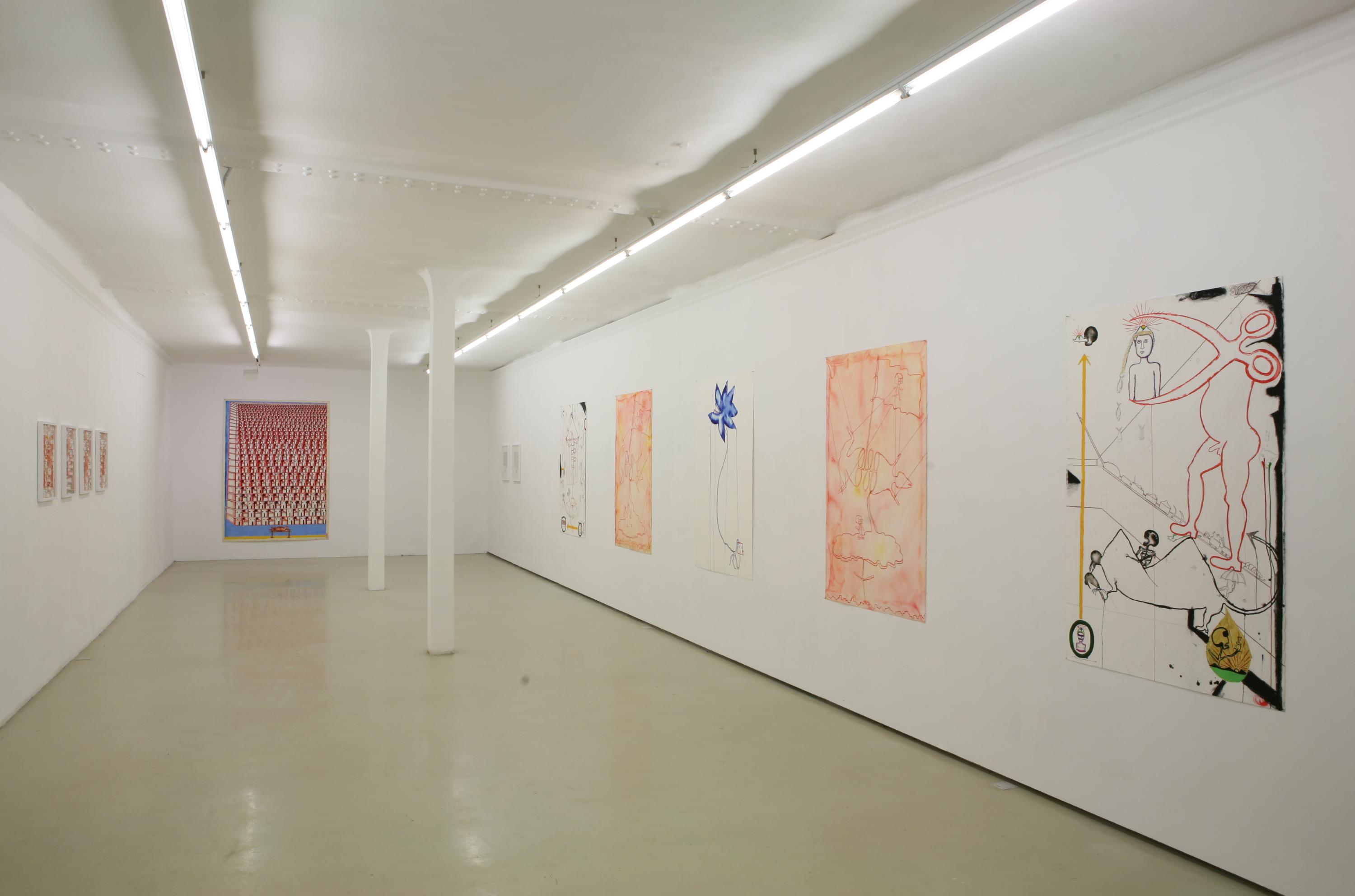
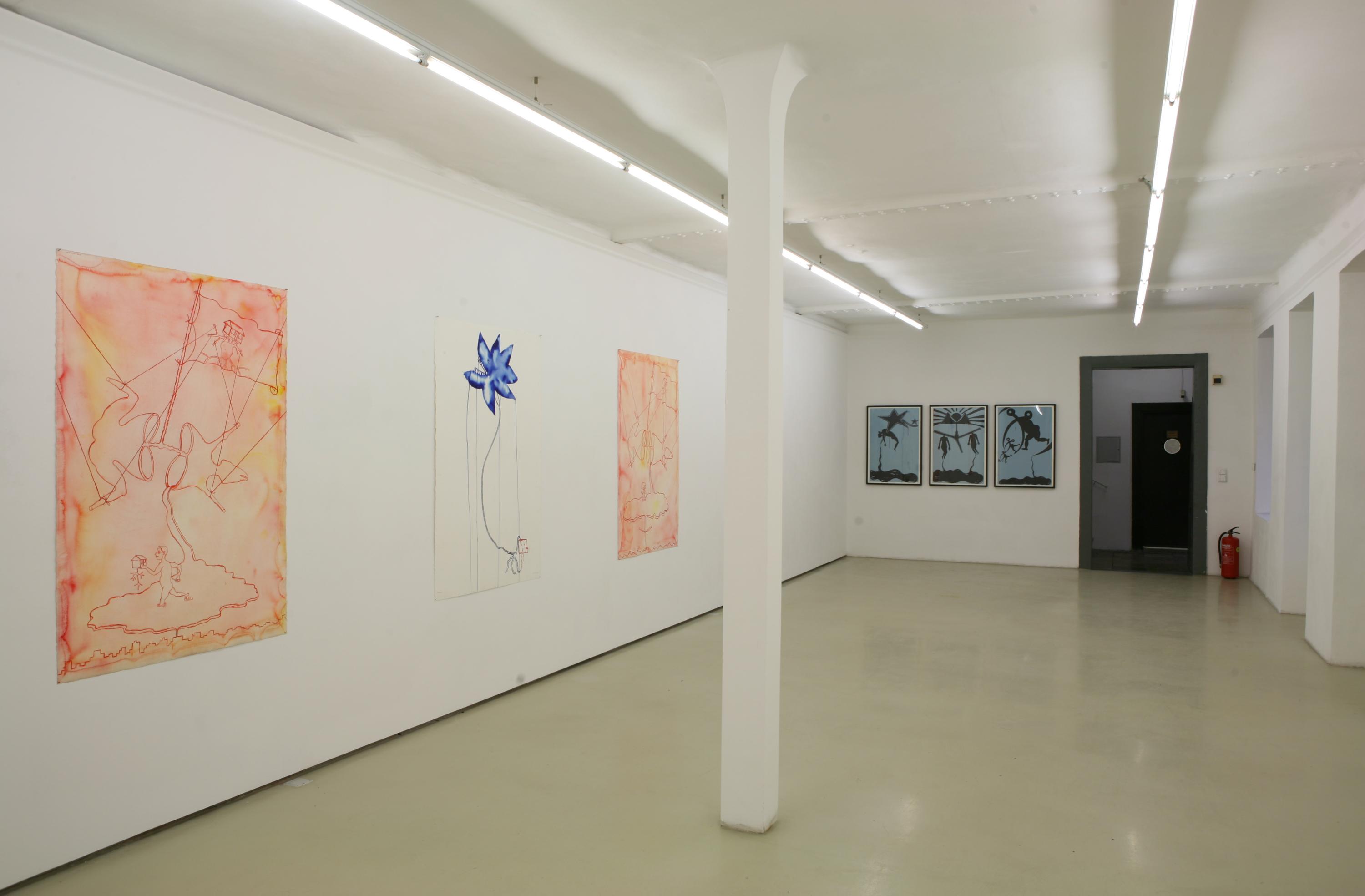
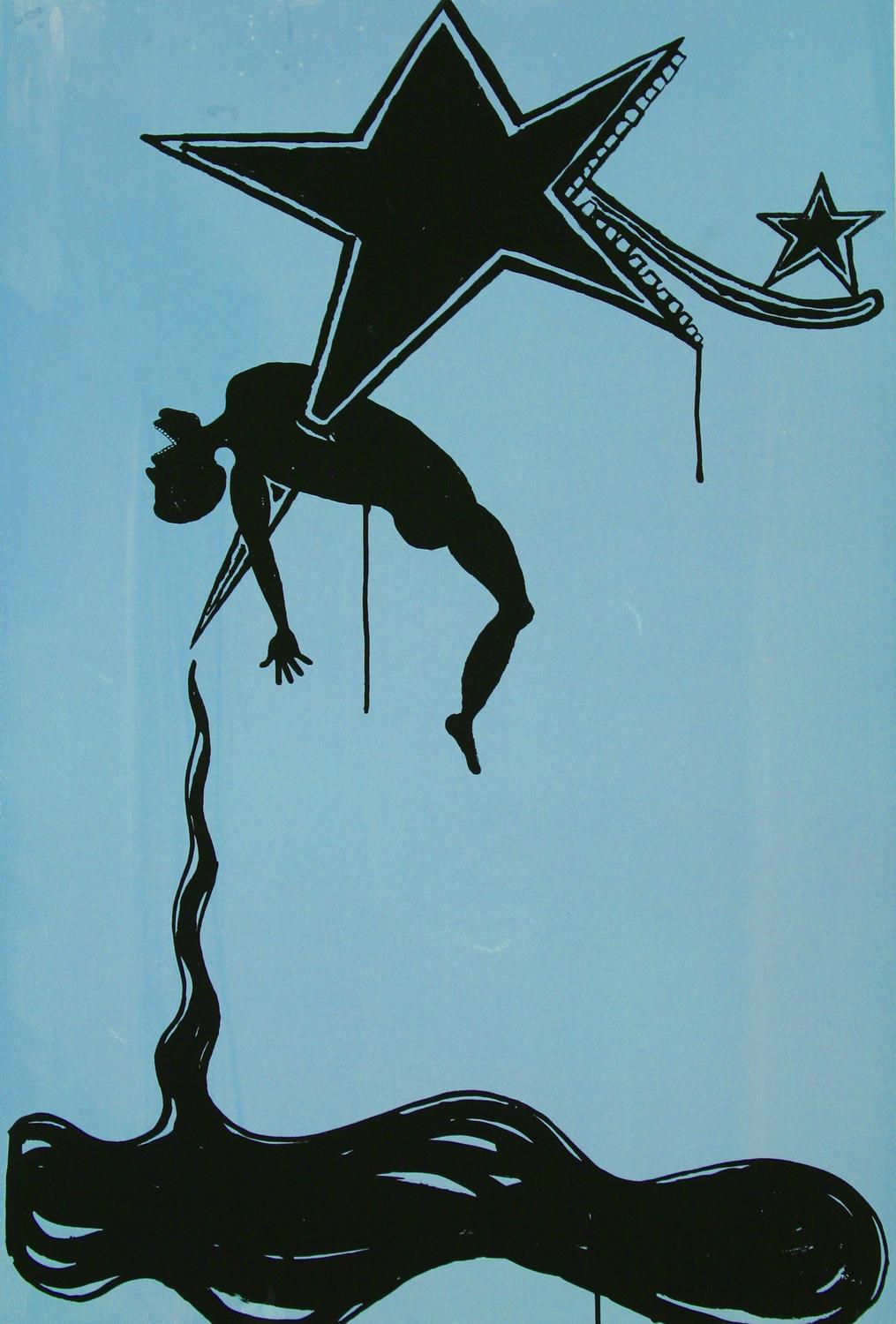
Zakkir Hussain (born 1970 in Chandiroor, Alappuzha Kerala) is showing a series of works on paper. The water colors and ink drawings are part of the “Un Holy Drawings” series. Inspired by newspapers and TV the works address the violence rising in all walks of life: violence against women, violence against the weak parts of society, violence against people who think differently. The series is based on the imagery we encounter daily in the media and it is on this imagery that Hussain develops his metaphors. In his work the artist studies the effect of these human catastrophes on the individual psyche. A woman is attacked by a blue flower, a male head carries a sun, in the clutches of a pair of scissors, a naked body is also crushed by a townhouse architecture – Zakkir Hussain’s drawings employ local imagery to refer to the profanation of life on a global level.
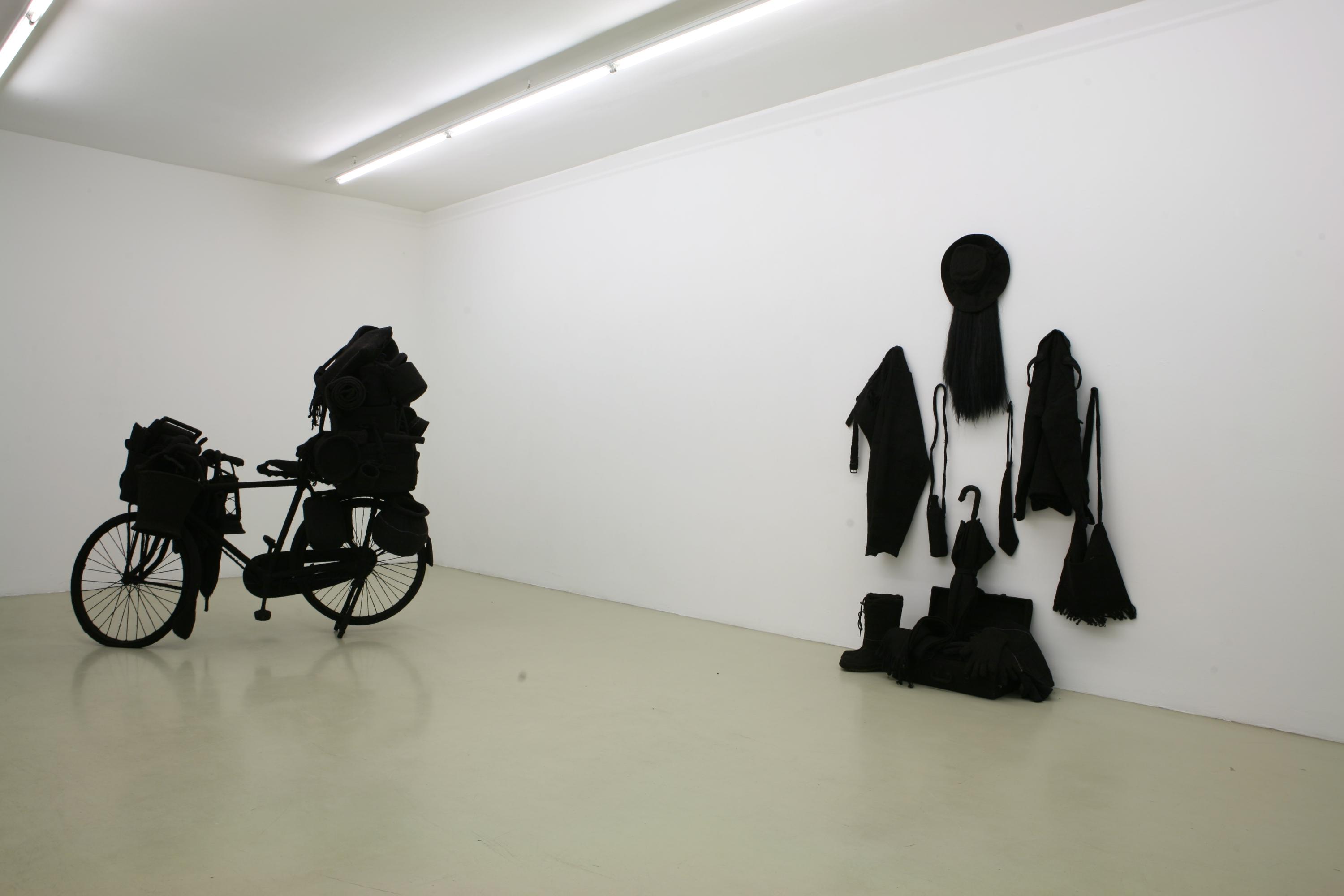
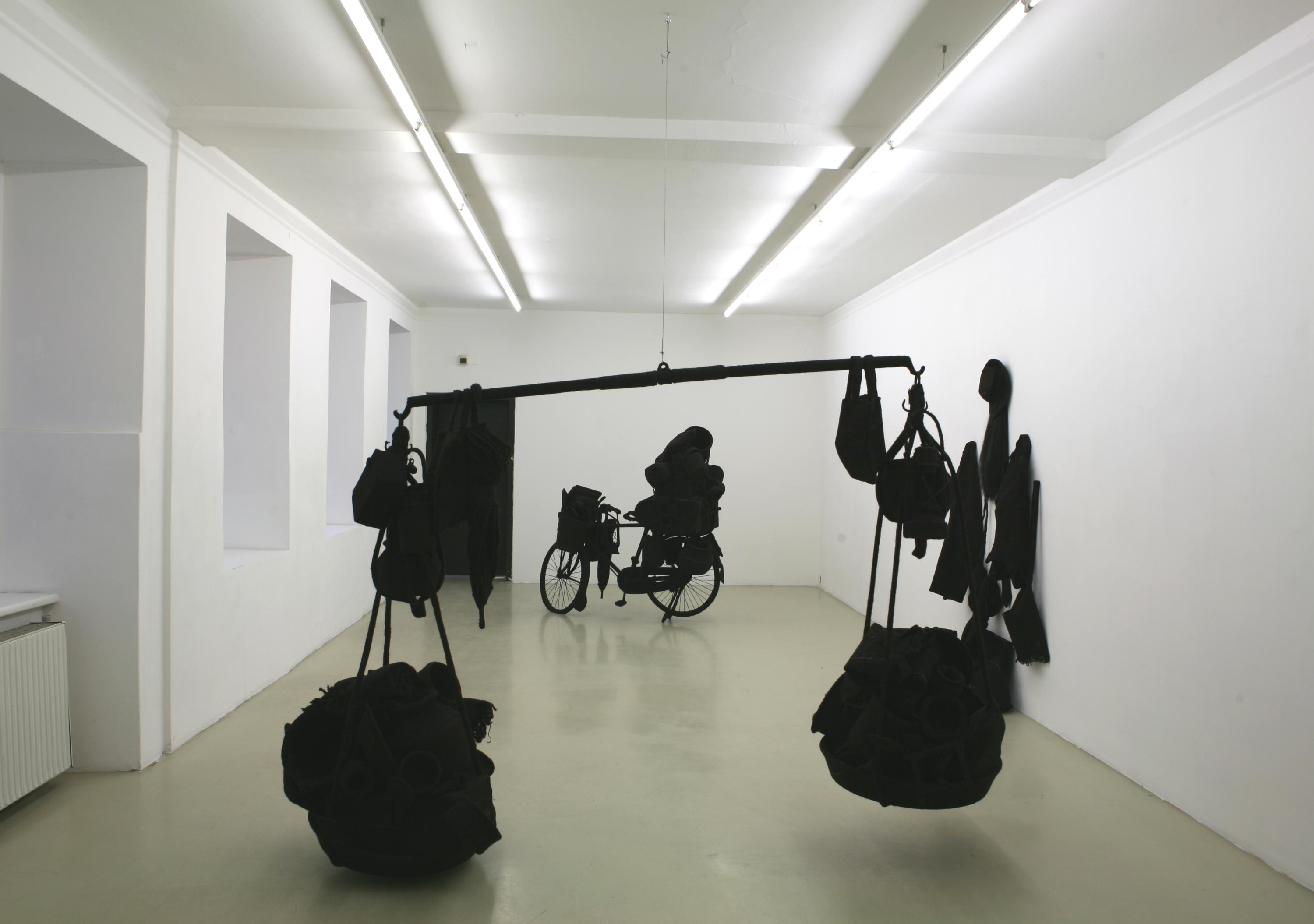
Srinivasa Prasad (born 1974 in Bangalore) is showing three works in the exhibition: clothing, scales and a bicycle. These pieces construct an implicit narration related to the yearning to travel – not just a journey in the physical sense, but also a mental journey like the ones one undertakes in the course of one or several lives. The clothing represents the beginning of the trip when one is preparing for the imminent strain of the journey. The scales refers to the epos by Ramayan in which a young boy walks several thousand miles a day, while transporting his old and weak parents in re-configured scales. In Prasad’s work it is not our parents but rather household objects found in the scales, things that bind us to our sentient life. With the last object, the bicycle, the journey is made easier, it is only implied by the personal objects and finally assumed by the viewer himself whose desire to undertake a journey both metaphysical and physical is provoked but not satisfied – and without the promise of a goal.
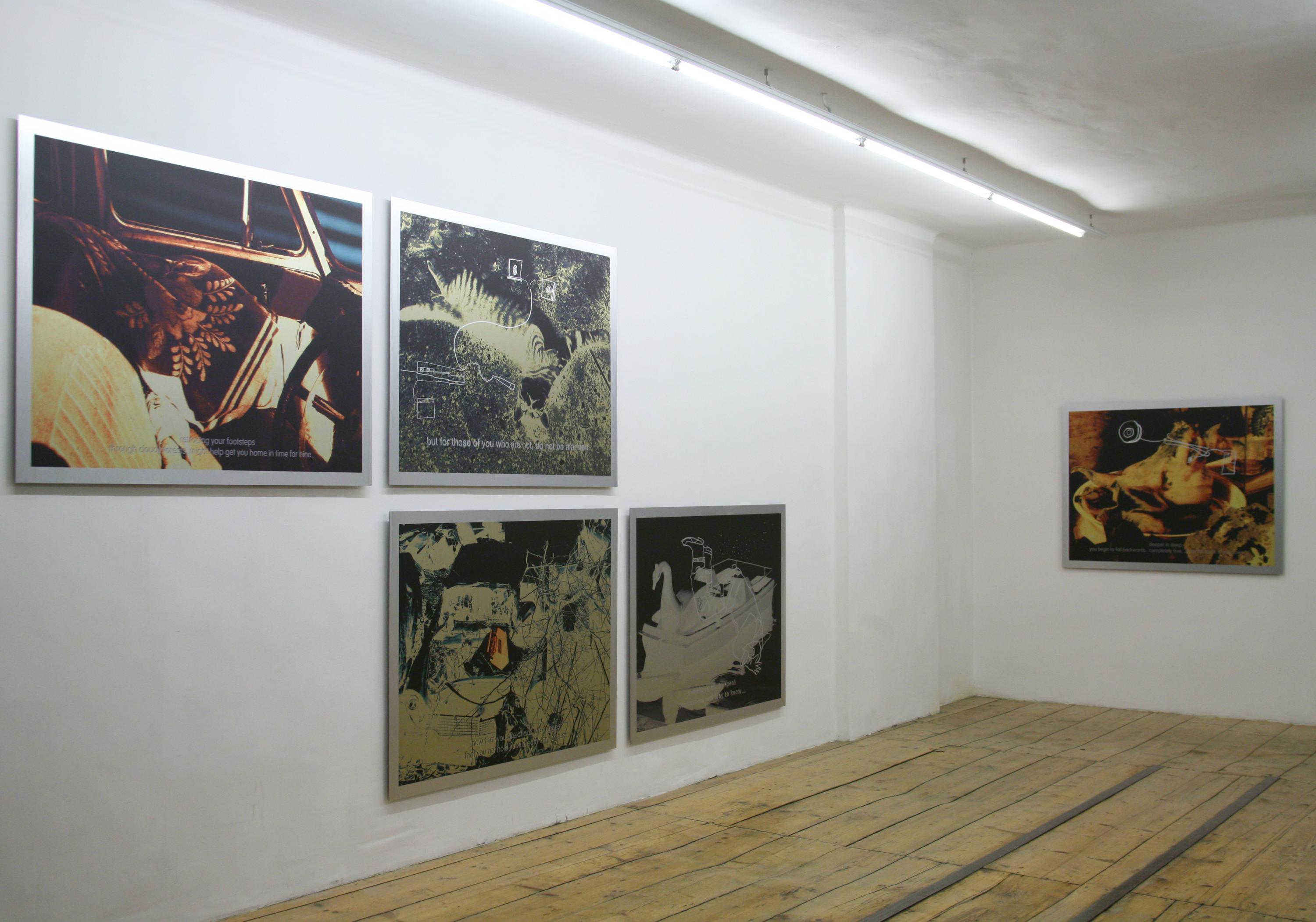
Navin Thomas (born 1974 in Chennai) is presenting inkjet prints on aluminum as well as an installation in this show. He grew up among a generation that was able to witness the birth of color TV. And like most of his generation, the artist spent his Sunday afternoons tethered to the TV set with its obscure foreign films and its even more obscure Indian subtitles. Marathon Film Festivals also belonged to his leisure-time activities and after three to four films it often happened that Thomas would already think in subtitles. In the meantime it happens that the artist while dozing off during a TV show begins to create connections between two entirely different films. This effect can be found, most noticeably, in his inkjet prints. Here we find the overlapping of various narrations and subtitles (that refer to this state between being awake and sleeping). Also his installation, consisting out of an old wooden boat, a steel rocking horse, a hand-made transistor radio, human hair and black mirror, is based on Thomas’ idea of blending dream and fiction to produce an artistic reality.
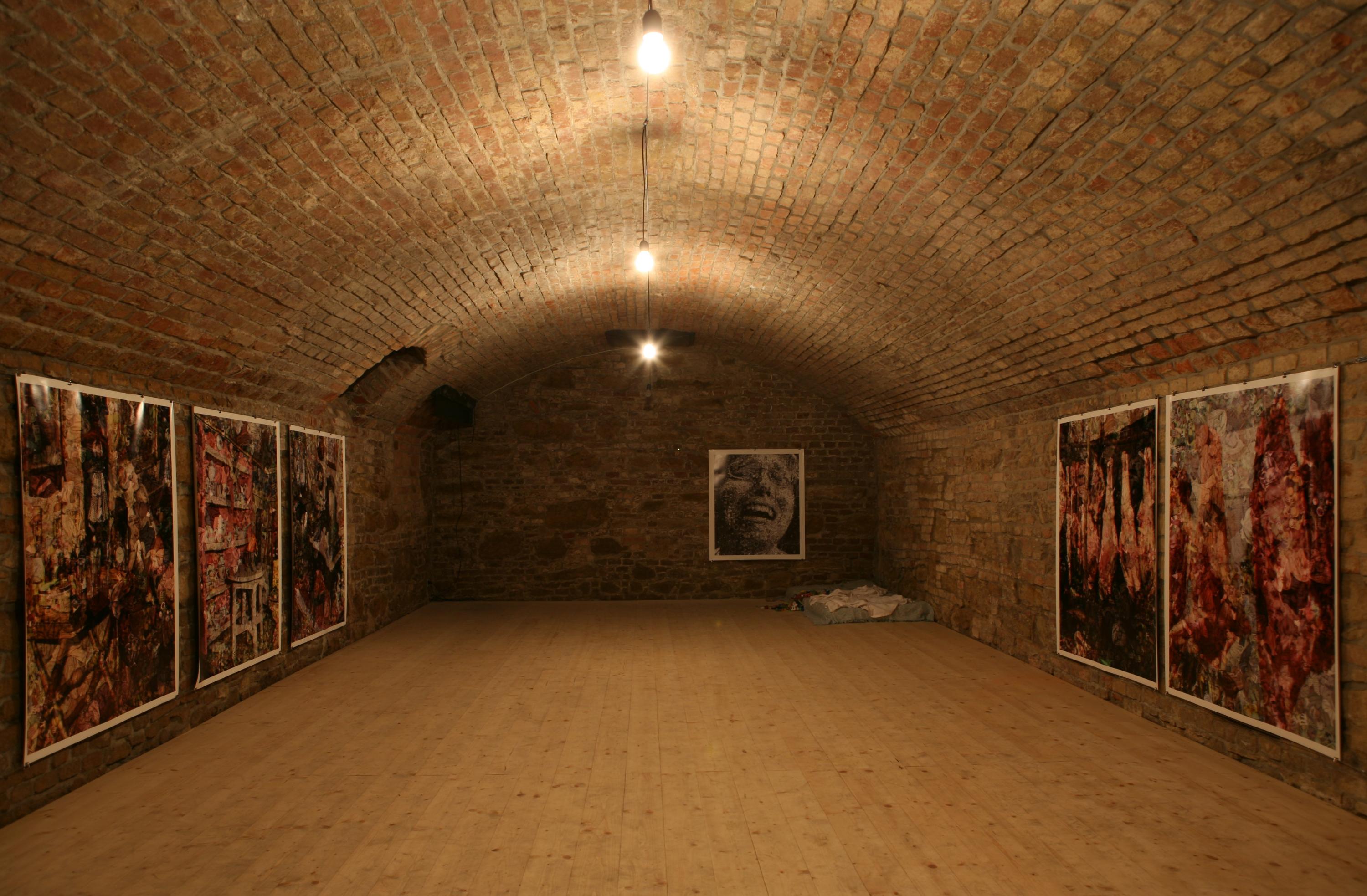
Avinash Veeraraghavan (born 1975 in Chennai) is showing, alongside photo-montages and a video piece, the light installation titled “Lost in Traffic”. The installation consists of eighty light bulbs hanging from the ceiling that seem to be going off and on in arbitrary intervals. The lights seems to form an abstract depiction of vehicles that approach a traffic sign and then move away again. Based in the piece “How Many Shadows Have You” from 2004, the piece also evokes a disorienting experience of one’s own shadows that constantly change their position with the light going on and off, as if they had a life of their own. Veeraraghavan’s works are usually autobiographic and introspective, referring to everyday, but seemingly hardly perceptible mental processes. He sees even the photographs as being neither documentations nor artistic pieces in their own right but as fragments of a constantly changing “ready-made” reality that is reflecting in his photo montages presented in the show.