

JÓZSEF CSATÓ
Opening: February 26, 2026
Dauer: February 27 – April 25, 2026
Introduction: Barbara Horvath, art historian and curator, part international art residency austria
“The most merciful thing in the world… is the inability of the human mind to correlate all its contents.” — H.P. Lovecraft
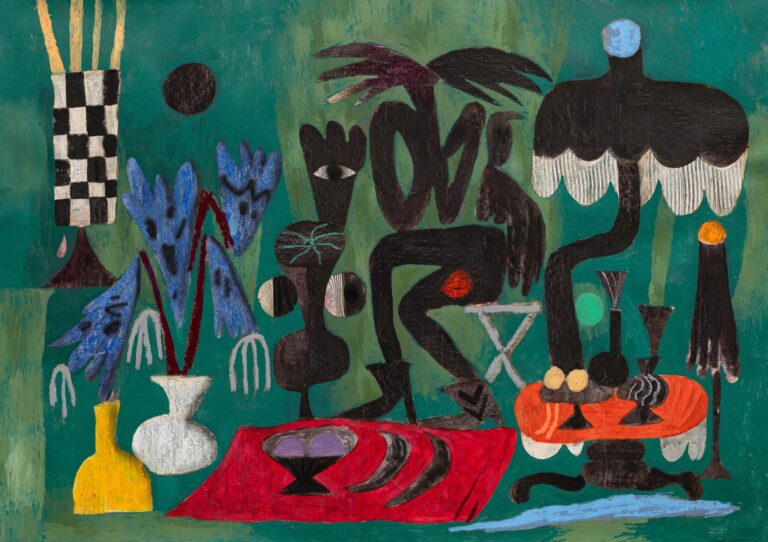
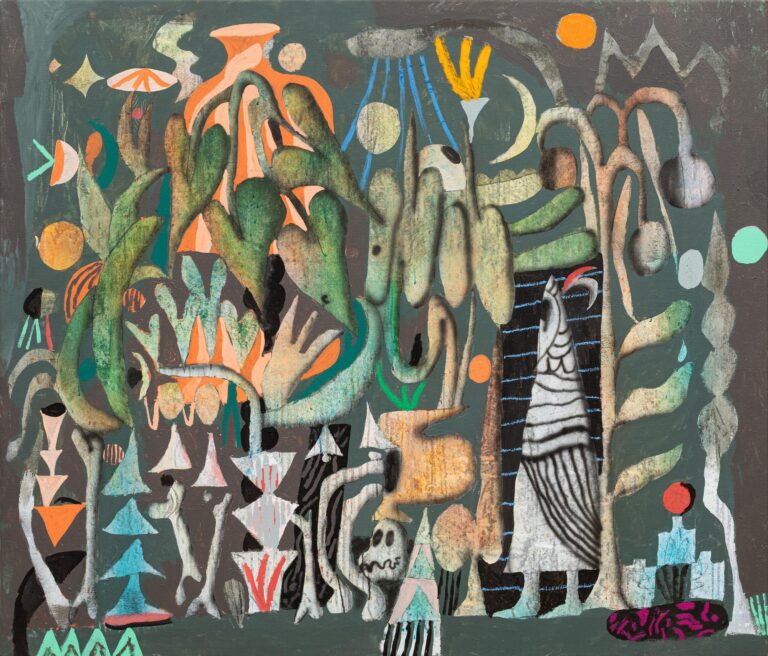
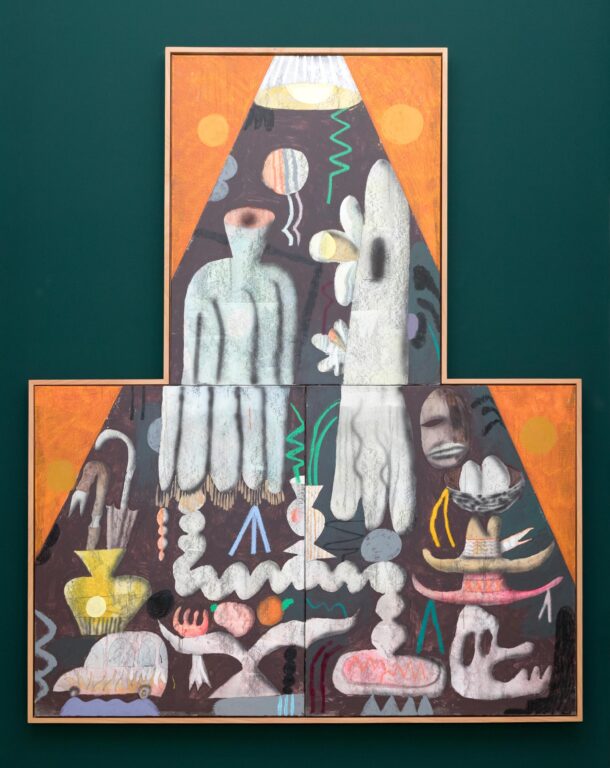
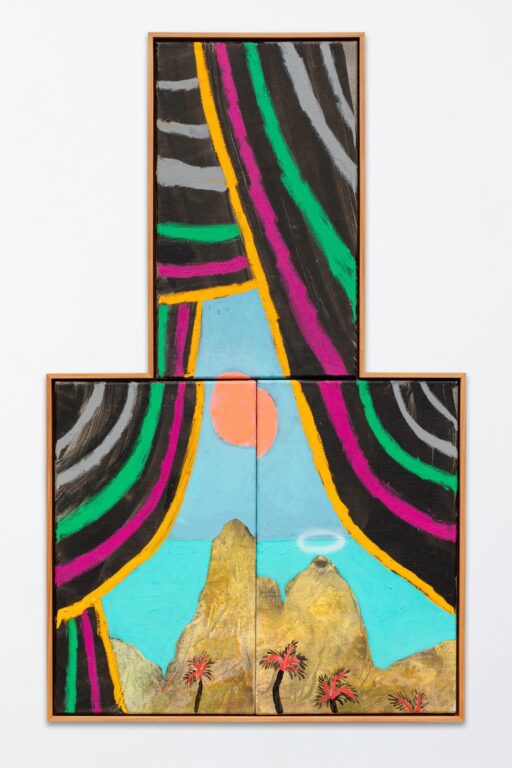
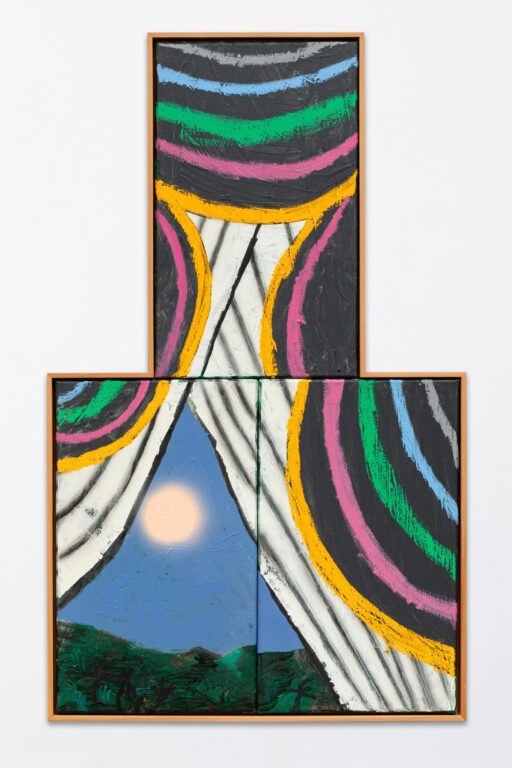
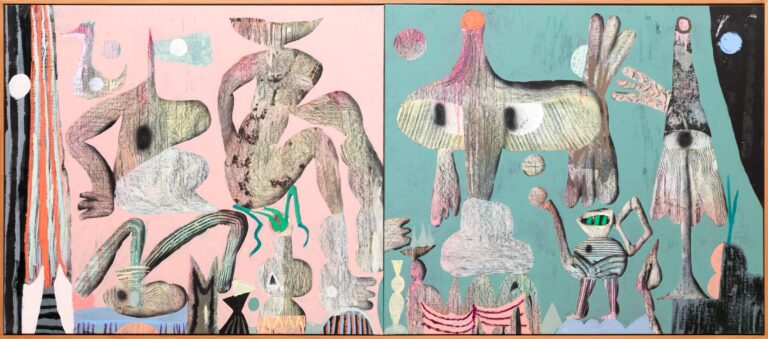
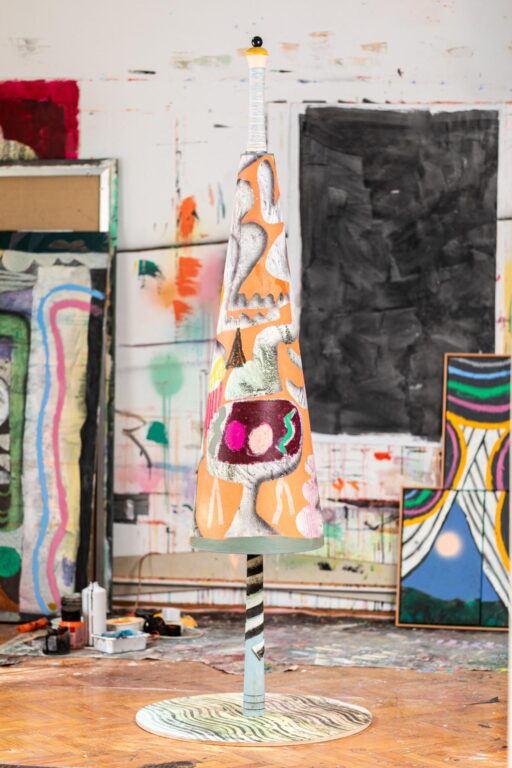
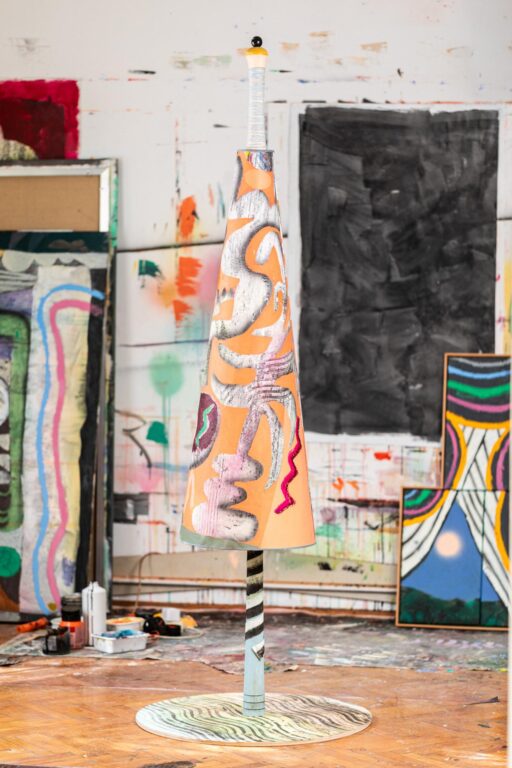
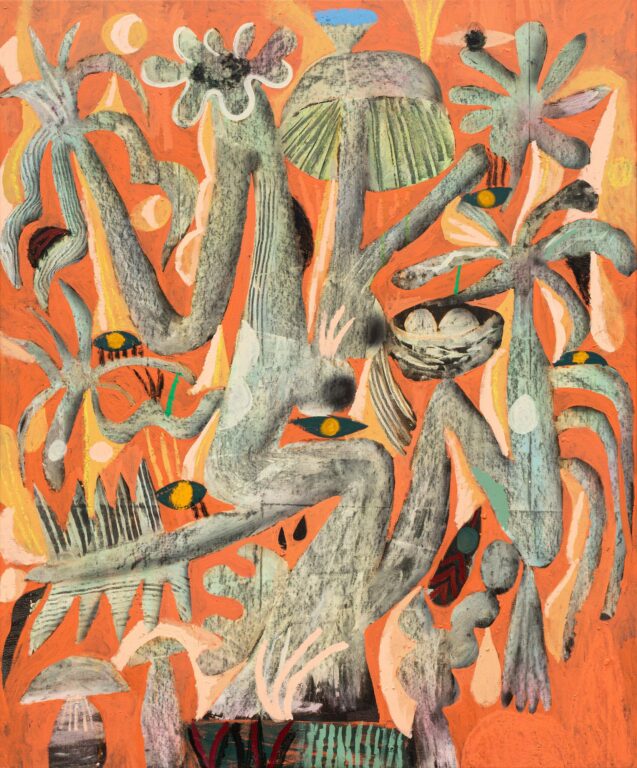
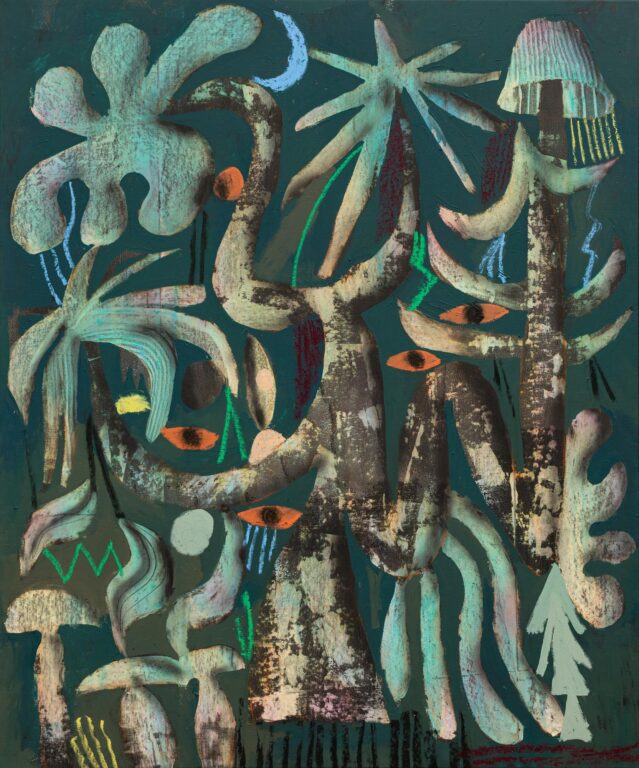
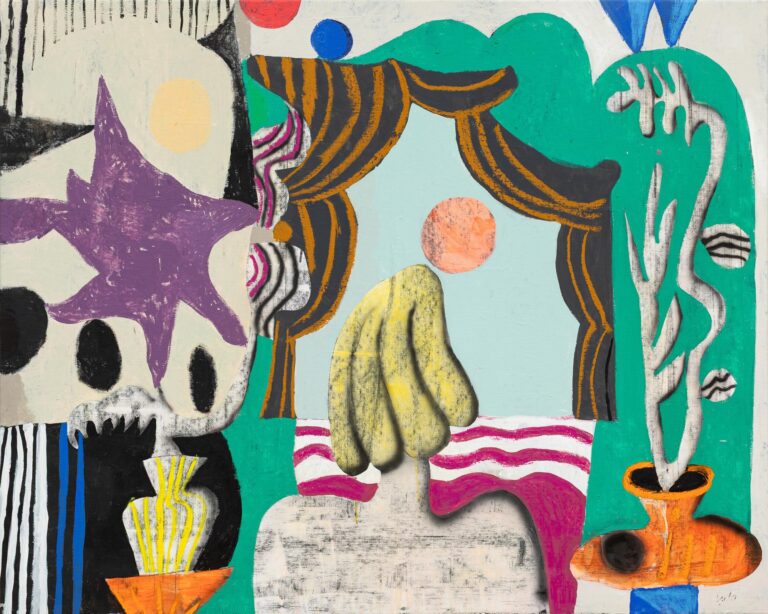
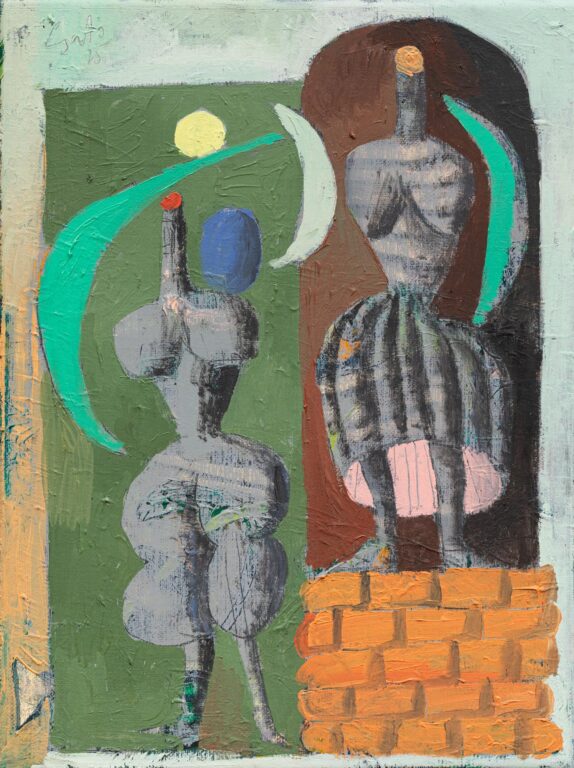
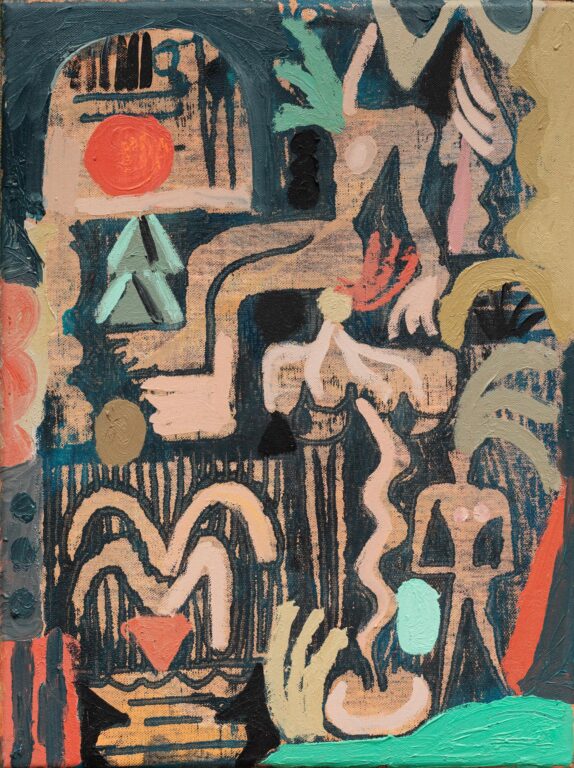
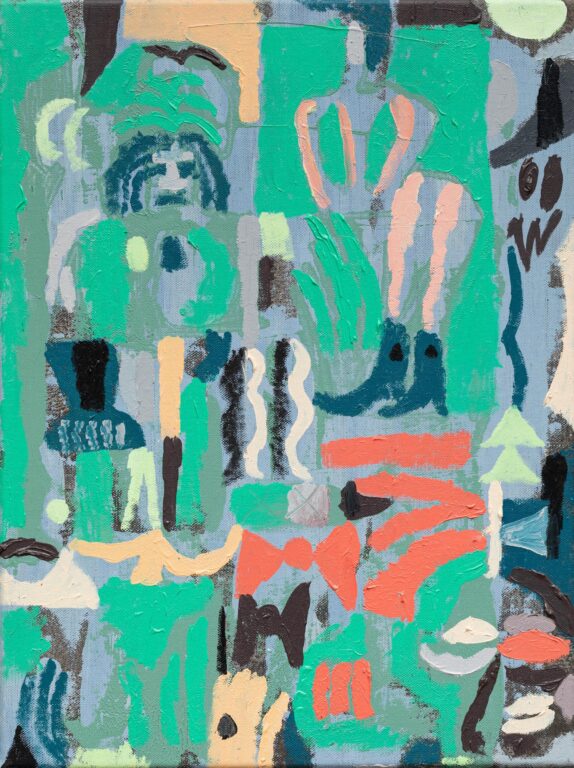
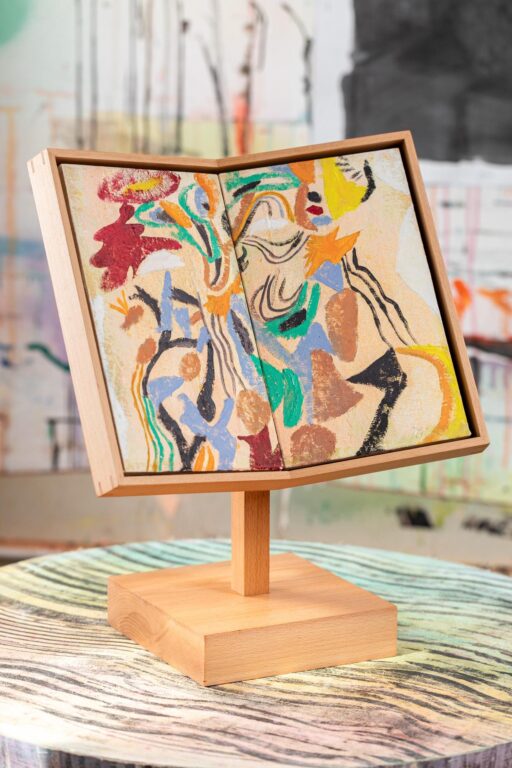
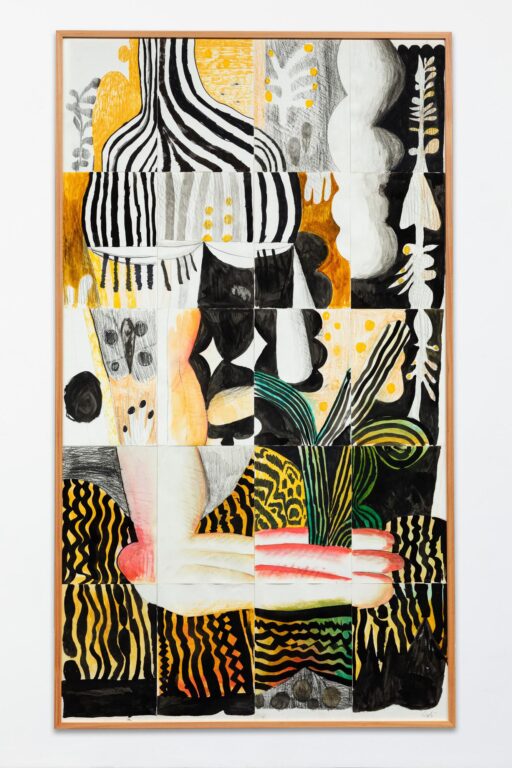
This tension between what we can understand and what lies beyond comprehension resonates deeply in the work of József Csató. On a single surface, a vast collection of objects— anthropomorphic figures, plants, lamps, bones, mushrooms, and fruits—interact in ways both playful and enigmatic. The viewer is drawn into a world that is at once familiar and utterly strange.
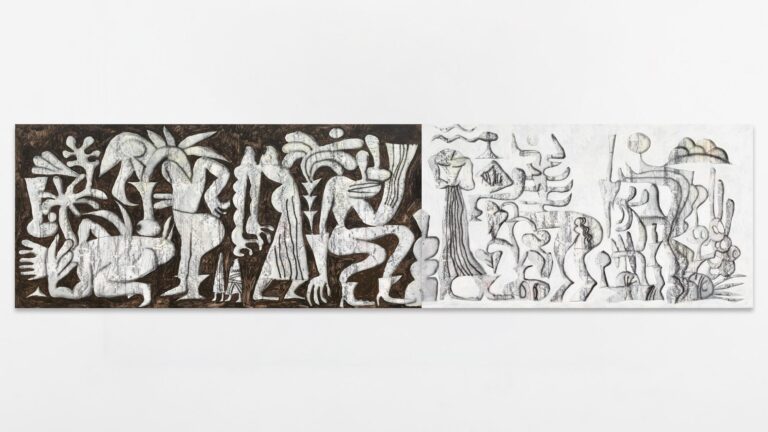
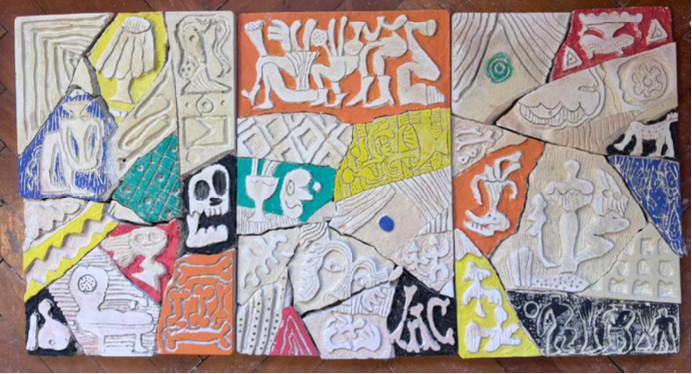
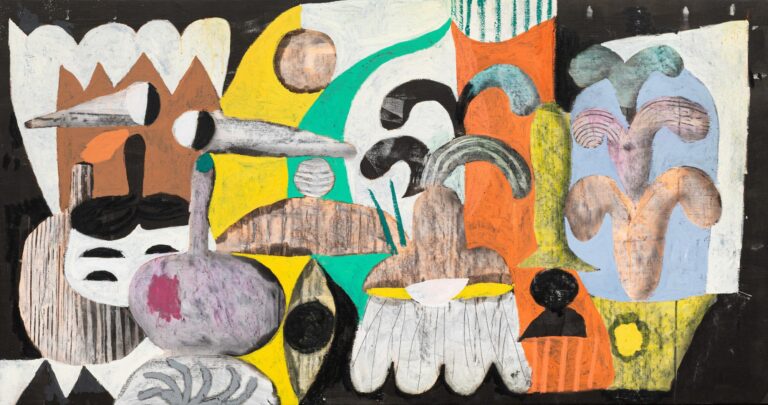
Neither fully abstract nor strictly figurative, József Csató’s botanical and amorphous beings assemble into a kind of legion, parading across frieze-like canvases, as if participating in a demonstration, procession, or collective ritual. High-heeled boots morph into limbs; palm-tree- like heads sway above bodies with vessel-shaped noses, exaggerated buttocks, satyr legs, mushroom lamps, and dangling arms. Everything appears organic, animated, and profoundly ambiguous. The figures suggest a hybrid genealogy, a gallery of ancestors that could belong equally to a distant past or to a speculative future.
While preparing this text, a visit to the Kunsthistorisches Museum in Vienna led me to linger before the frieze of the Ilissos Temple from Athens, dated around 420 BCE. The figures carved in stone advance along the surface as if still in motion, caught between narrative and ornament. A similar sense of collective movement animates József Csató’s parades of beings in his painting Even better times. In both cases, figures unfold in a continuous rhythm across the plane, suspended in time yet charged with dynamism. Within this procession, a grand narrative or numerous mini-stories are present, without ever becoming clearly readable.
Seilerstätte 16, 1010 Wien, Austria
info@galerie-krinzinger.at
+43 1 5133006